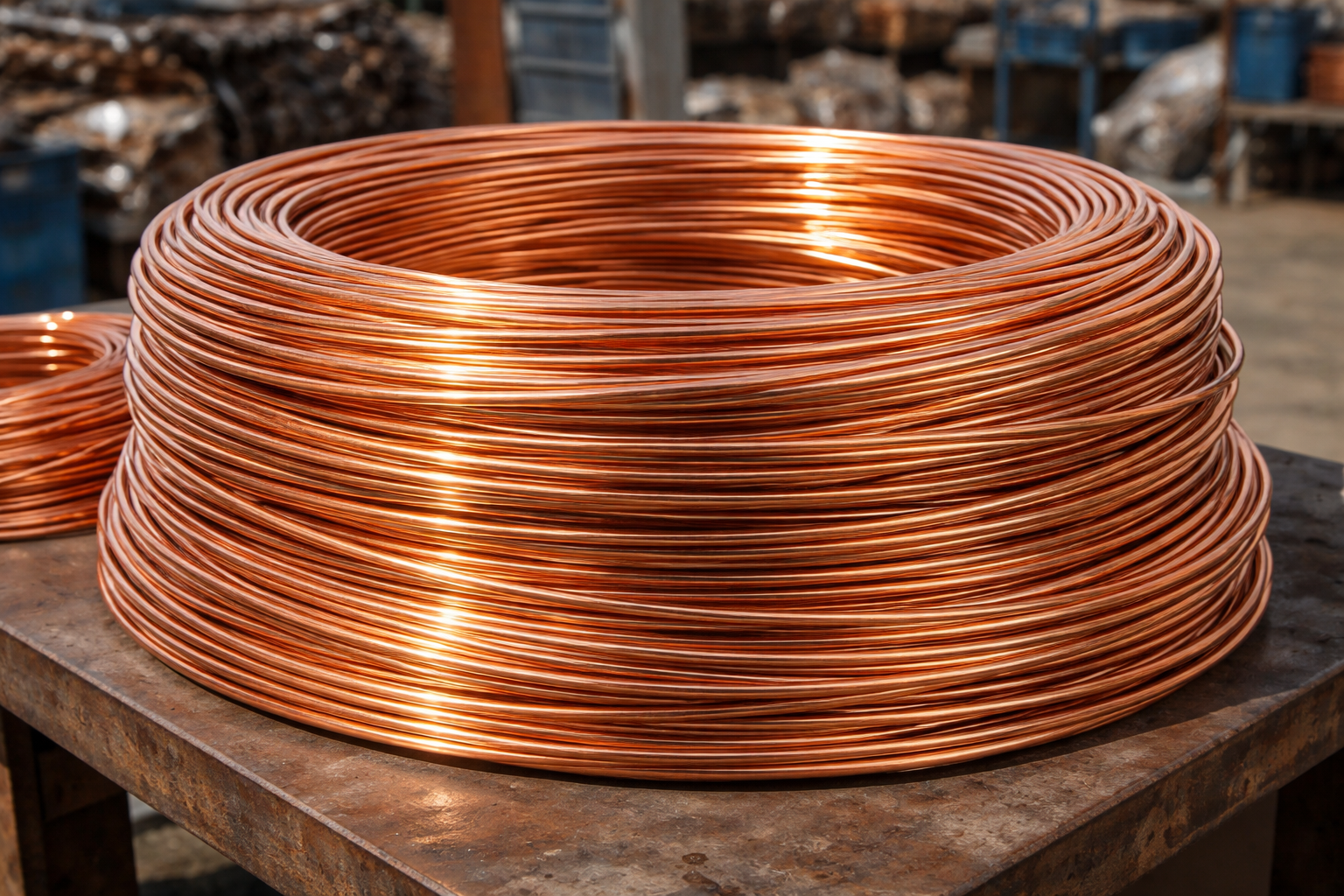

Non-ferrous metals are metals that do not contain iron as their main element. Because they lack iron, these metals cannot be magnetised. One of their most important advantages is high resistance to corrosion, making them suitable for environments exposed to moisture, air, and chemicals.
For example, aluminium naturally forms a thin oxide layer on its surface, which protects it from further corrosion. Similarly, copper and its alloys, such as brass, are naturally resistant to rust and corrosion, which increases their durability and lifespan.
Non-ferrous metals are a significant category within the broader types of metals, valued for their resistance to corrosion, lightweight properties, and high conductivity. Unlike ferrous metals, they do not contain iron as the primary component and therefore cannot be magnetised. These metals are widely used in industries ranging from construction to electronics because of their durability and versatility. Non-ferrous metals also include some precious metals, which are rare and highly resistant to chemical reactions. Understanding the common non-ferrous metals helps industries choose the right material for specific applications, whether for electrical wiring, packaging, or structural purposes.
Some of the most commonly used non-ferrous metals include:
Here u can get the detail of non-ferrous metal one by one.
Copper is a shining, costly and most demanding metal in every field of life. Copper is widely recognised for its excellent electrical and thermal conductivity. It is highly durable and resistant to corrosion, making it ideal for electrical and plumbing applications.
Aluminium is a lightweight metal that naturally forms a protective oxide layer, preventing rust and corrosion. Its strength-to-weight ratio makes it suitable for construction, transportation, and packaging industries.
Zinc is primarily used as a protective coating for steel and iron through galvanisation. It enhances corrosion resistance and extends the lifespan of ferrous metals.
Tin is commonly used to coat other metals to prevent corrosion. It is also an essential component in various alloys and food-safe packaging materials.
Lead is a dense and malleable metal known for its ability to absorb radiation and resist corrosion. Despite limited use due to environmental concerns, it remains important in specific industrial applications.
Platinum is a rare and durable metal with outstanding resistance to corrosion. It is often grouped with precious metals due to its high value and specialised industrial and medical uses.
All the above-mentioned non-ferrous metals are widely used in daily life. Their unique properties make them ideal for precious and ferrous metals. From the wiring in your home to the can of soda in your fridge, these metals play a big role in making life easy and more efficient.
Here are the most common uses of non-ferrous metal in daily life;
Electrical wiring and cables: Copper and aluminium are widely used for transmitting electricity efficiently due to their high conductivity.
Batteries: Lead and other non-ferrous metals are essential components in energy storage systems like lead-acid and lithium-ion batteries.
Building and construction materials: Aluminium, copper, and zinc are used in roofing, cladding, frames, and piping for long-lasting, corrosion-resistant structures.
Packaging materials: Aluminium and tin are used in cans, foils, and containers that require durability, hygiene, and lightweight properties.
Transportation components: Non-ferrous metals reduce vehicle weight, improving fuel efficiency and durability in cars, trains, and aircraft.
Medical and laboratory equipment: Metals such as platinum and aluminium are preferred due to their corrosion resistance, hygiene, and chemical stability.
Some non-ferrous metals are light, and few have high strength. Each metal has its unique properties and identity. Recycling is not just a method to save energy, it also reduces waste, reduces pollution and even earns money.
As mentioned above, non-ferrous metals are widely used in almost every field of life. So there is a need to recycle these metals to save energy and money. Recycling is important because:
Almost all non-ferrous metals can be recycled. Some of them are given below, which provide good information on recycling.
Non-ferrous metals include many important and widely used metals, making their recycling crucial for the industry. For this reason, non-ferrous metals are routinely recycled
Strength depends on the specific metal and its alloy. While ferrous metals are generally stronger and harder, non-ferrous metals are lighter, corrosion-resistant, and more suitable for applications where weight and conductivity are important.
Non-ferrous metals like copper and aluminium have excellent electrical conductivity. Unlike ferrous metals, they do not corrode easily, ensuring long-lasting performance in electrical cables, power lines, and electronic components
Non-ferrous metals are used in vehicles to reduce weight and improve fuel efficiency. Aluminium is used in car frames and engine components, copper in wiring, and lead in batteries, providing durability and corrosion resistance.
All precious metals (like platinum, gold, and silver) are non-ferrous, not all non-ferrous metals are precious. Non-ferrous metals like aluminium, copper, and zinc are industrially common, whereas precious metals are rare and high in economic value.

MetalsWiki.com offers accurate, up-to-date information on metals and real-time scrap metal prices for traders, recyclers, and professionals.