#1 Bare Bright Wire: Price, Uses, and Scrap Value Explained
Copper is one of the most valuable and commonly recycled metals in the world. Among all copper scrap grades, #1 Bare Bright Wire sits at the top. It is clean, pure, and highly desirable in both the USA and UK scrap markets.
If you are a scrap seller, electrician, recycler, or investor, understanding what #1 Bare Bright Wire means can help you earn more money and avoid costly mistakes. This guide explains everything in simple language – from pricing to identification and sorting.
Table of Contents
What “#1 Bare Bright Wire” Means
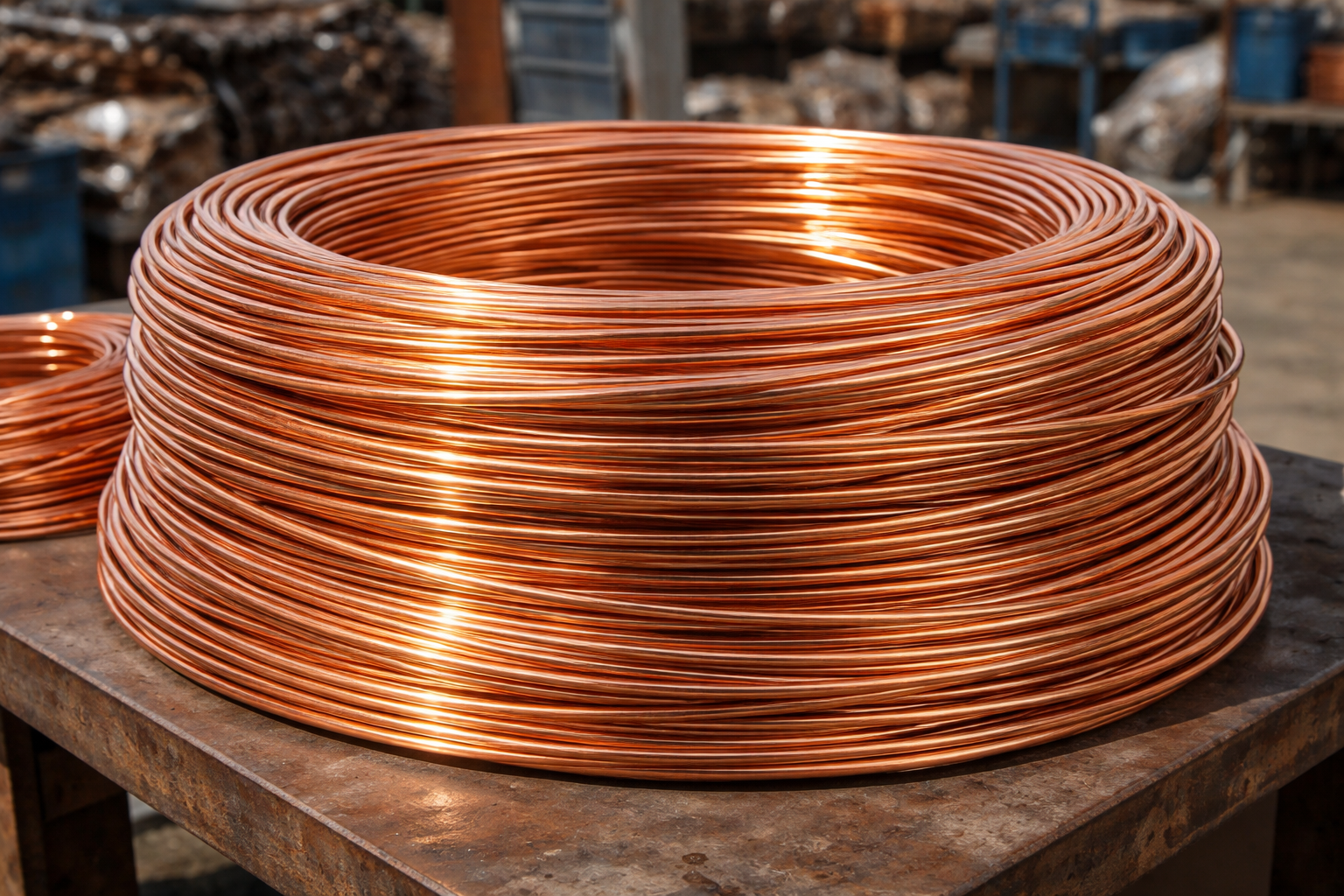
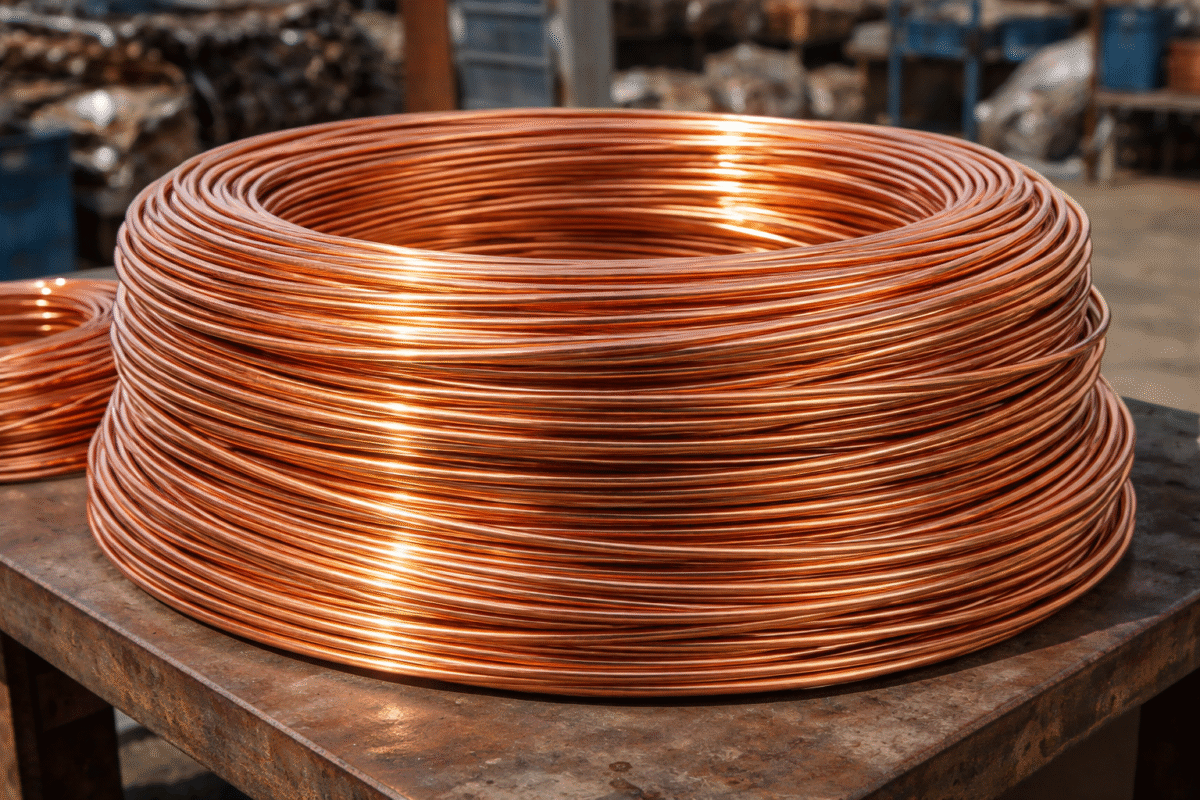
#1 Bare Bright Wire is the highest grade of copper wire scrap. It refers to bare, uncoated, unalloyed copper wire that is shiny and clean.
Key Characteristics
99%+ pure copper
Bright, shiny, reddish color
No insulation or coating
No paint, solder, oil, or corrosion
Usually thicker than 16 gauge
In short, if copper wire looks clean and bright with no contamination, it likely qualifies as #1 Bare Bright.
What Is #1 Bare Bright Wire?
Many beginners ask this question, and the answer is simple.
#1 Bare Bright Wire is stripped copper wire that has never been coated or treated.
Common Sources
Electrical wiring (fully stripped)
Power cables
Industrial copper wiring
New construction scrap
Manufacturing offcuts
This type of wire is valuable because it can be melted down easily without extra processing.
What Is #1 Copper Wire Scrap?
#1 copper wire scrap includes:
Bare bright wire
Clean copper wire with minimal oxidation
Thick gauge copper wire
However, not all #1 copper wire is bare bright.
Difference Between #1 Copper and Bare Bright
| Type | Description |
|---|---|
| #1 Bare Bright | Clean, shiny, uncoated copper |
| #1 Copper Wire | Clean copper but may be slightly dull |
Bare bright is a sub-category of #1 copper and usually pays the highest price.
What Is #1 Bright Copper?
The terms “#1 bright copper” and “bare bright copper” are often used interchangeably.
They both refer to:
Uncoated copper
Bright surface
High purity
Scrap yards may use slightly different names, but the value and quality are the same.
How Can You Tell If Copper Is #1 or #2?
This is one of the most important questions for scrap sellers.
Visual Differences
#1 Copper: Bright or slightly dull, no corrosion
#2 Copper: Dark, painted, soldered, or oxidized
Simple Test
If copper has paint, solder joints, or heavy discoloration, it becomes #2 copper.
If it is clean and shiny, it stays #1 or bare bright.
Common Items That Lower the Grade
Burnt wire
Tin-coated copper
Grease or oil residue
Green corrosion
Price of #1 Bare Bright Wire
The price of #1 Bare Bright Wire is the highest among copper scrap types.
Average Price Range (2026 Estimates)
USA: $4.20 – $5.00 per lb
UK: £6.50 – £8.50 per kg
What Affects the Price?
Global copper demand
Energy and production costs
Local scrap yard competition
Cleanliness of the material
Quantity sold
Selling larger, well-sorted loads often results in better rates.
Why #1 Bare Bright Wire Is So Valuable
Scrap yards love bare bright copper because:
It melts easily
No chemical stripping required
Minimal refining loss
High resale value
For recyclers, it’s low effort, high return—which is why they pay more for it.
How It’s Used After Recycling
Once recycled, #1 Bare Bright Wire is used in many industries.
Recycled Copper Applications
Electrical wiring
Renewable energy systems
Electric vehicles
Plumbing pipes
Electronics and circuit boards
Recycled copper performs just as well as new copper, making it environmentally and economically smart.
Sorting Tips to Get the Best Price
Proper sorting can mean the difference between top dollar and downgraded pricing.
Best Sorting Practices
Strip all insulation fully
Keep bare bright separate from other copper
Avoid mixing with tin-coated wire
Remove solder joints
Store in dry conditions
What Not to Do
Don’t burn wire (illegal in many areas)
Don’t mix grades
Don’t leave oil or grease on copper
Clean copper = higher payout 💰
Why Price Matters in Scrap Copper
Many sellers underestimate how much pricing differences add up.
Example
If you sell:
100 lbs of bare bright at $4.80 = $480
100 lbs of #2 copper at $3.50 = $350
That’s $130 lost just from poor sorting.
For businesses and regular scrappers, understanding grades can add thousands per year.
#1 Bare Bright Wire in the USA vs UK
USA Market
Sold by the pound
Prices fluctuate daily
High demand from construction and EV sectors
UK Market
Sold by the kilogram
Strong export demand
Prices influenced by European copper markets
Both markets value clean, traceable scrap, so documentation and quality matter.
Environmental Benefits of Recycling Bare Bright Copper
Recycling copper:
Uses 85% less energy than mining
Reduces landfill waste
Lowers carbon emissions
Preserves natural resources
Selling #1 Bare Bright Wire supports a circular economy while earning profit.
Common Mistakes to Avoid
Assuming all copper wire is bare bright
Mixing grades in one container
Ignoring local scrap yard rules
Selling without checking daily prices
A little preparation goes a long way.
Frequently Asked Questions (People Also Ask)
What is #1 bare bright wire?
It is clean, uncoated, shiny copper wire with no insulation or contamination.
How can you tell if copper is #1 or #2?
#1 copper is clean and bright; #2 copper has paint, solder, or corrosion.
What is #1 copper wire scrap?
It is high-grade copper wire scrap with minimal impurities, including bare bright.
What is #1 bright copper?
Another name for bare bright copper wire with very high purity.
Is bare bright copper worth more than #1 copper?
Yes, bare bright usually pays the highest price.
Can burned wire be bare bright?
No. Burned wire is downgraded due to contamination.
Why do scrap yards pay more for bare bright?
Because it requires less processing and has higher resale value.
Newsletter
Latest Post